Line Technologies

Built on more than a century of line innovation.

Cortland has helped shape the way anglers fish for generations. From early innovations in tapered fly line design to modern cores, coatings, tapers, materials, and braided line construction, our technologies are developed with one purpose: to make lines perform better on the water.

Some features change how a line casts. Some affect floatation, sink rate, handling, strength, or durability. Together, they help explain why Cortland lines feel and fish the way they do.

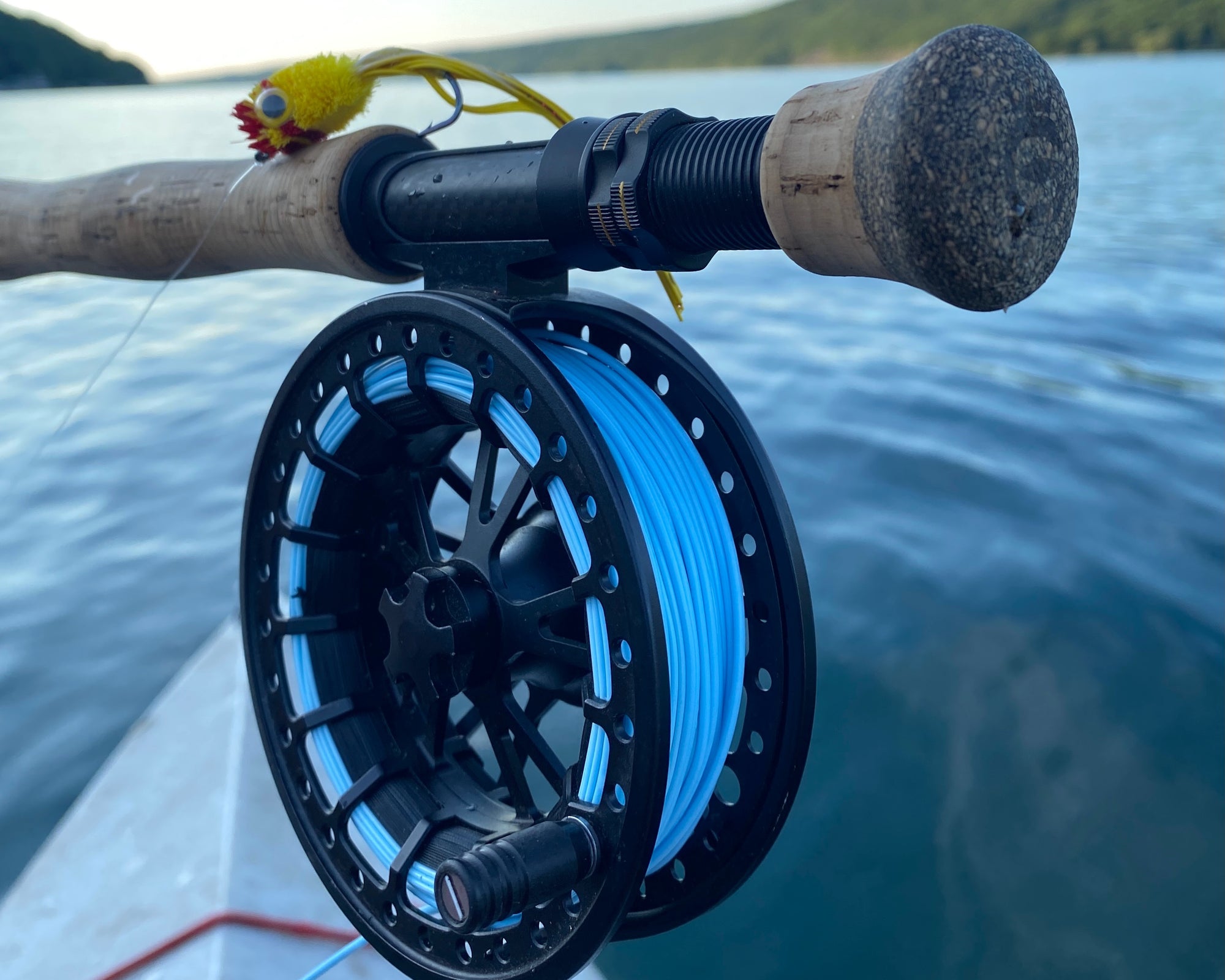
Cortland fly line in use on the water

Fly Line Technologies

Cortland fly line technologies are designed around the way a line feels and performs on the water. That focus shows up in lines made for clean casting, controlled presentation, dependable handling, and consistent performance in the conditions they were built for.

Fly line technology is about controlling how a line behaves. Core, coating, taper, finish, temperature design, sink system, and material choice all affect how the line loads, shoots, floats, sinks, handles, and holds up through repeated use.

The result is line that matches the conditions, handles cleanly, and helps anglers stay in control from the cast through the presentation.

Casting

Taper, coating, and finish influence how a line loads the rod, shoots, and turns over.

Presentation

Floatation, tip design, and taper affect mending, drift, and fly delivery.

Control

Sink systems, temperature design, cores, and materials influence depth, handling, durability, and connection.

Double Welded Loops
Connection + Rigging

Welded Loops

Welded loops make rigging fast, easy and reliable. Cortland loops are strong, clean and durable.

Polyethylene
Material Construction

Polyethylene

Liquid Crystal lines are built with a blend of polyethylene compounds (PE) over a monofilament core resulting in the toughest, slickest-shooting, floating fly lines.

X-Strong Core
Strength + Pressure

X-Strong Core

Constructed with a tight weave and high pick count for extreme durability and maximum applied pressure.

Line ID
Identification

Line ID

Lazer printing line identification for convenient size reference.

Shooting Technology
Slickness + Shooting

Shooting Technology

ST coating delivers a reduced friction performance with a glass-smooth finish and remains a key element in the slickness over its life span.

Grip Set
Hook-Setting Power

Grip Set

Designed to give the angler a better hook set when targeting large game fish or fish with hard mouths.

Heat-Tempered Surface Treatment
Low-Friction Finish

Heat-Tempered Surface Treatment

Process that incorporates extreme slickness additives. Seals out dirt and oils while maintaining an exceptionally low friction coefficient.

High Float Tip Technology
Floatation + Presentation

High Float Tip Technology

A proprietary blend of materials that keeps fly line tips and leaders floating high in complex currents.

Cold Salt Technology
Cold Saltwater Handling

Cold Salt Technology

A supple yet extremely durable saltwater coating allowing for a memory-free line in cold conditions.

Tungsten Tip Technology
Sink Control

Tungsten Tip Technology

Premium Tungsten material combines with unique tapers for fast sinking presentations.

Reinforced Tungsten
Sink Rate + Durability

Reinforced Tungsten

Improved Premium Tungsten blend for extended durability and fast sinking attributes.

Cold Temperature
Cold Weather Handling

Cold Temperature

Ideal use in 30-50 degree (F) temperatures.

Warm Temperature
Warm Weather Handling

Warm Temperature

Ideal use in 50-70 degree (F) temperatures.

Tropical Temperature
Tropical Performance

Tropical Temperature

Ideal use in 70+ degree (F) temperatures.

Top Secret
Leader Material

Top Secret

Top Secret is a highly abrasion resistant, supple material allowing for superior knot strength while remaining virtually clear under water.

Braided Line Technologies

Cortland’s work with braid goes back to Ray Smith’s 1932 patent for the first braided fishing line. Today, that focus shows up in modern braided lines with strength without unnecessary bulk, sensitivity without stretch, smoother handling, better color retention, and construction made for demanding use.

Braided line technology is about controlling that strength. Fiber choice, carrier construction, coatings, and finish all affect how the line manages on the reel, moves through guides, holds color, keeps sensitivity, and performs under pressure.

The result is line that handles cleanly, holds up in demanding conditions, and gives anglers confidence when pressure is on.

Strength

Fiber choice and carrier construction influence breaking strength, diameter, and pressure.

Sensitivity

Low-stretch construction helps anglers feel contact, movement, structure, and strikes.

Handling

Coatings, construction, and finish affect casting, line management, noise, and guide performance.

Angler fighting a fish with a loaded rod and Cortland line under pressure
FiberTech
Handling + Castability

fibertech

Protection that bonds to the individual fibers, which stiffens and improves handling of the line. Lines cast farther and last longer without excess stiffness.

ColorLast
Color Retention

Colorlast

Provides the longest lasting color. Doesn't fade. Doesn't bleed.

Silent technology
Noise Reduction

Silent technology

Hollow 16-carrier braid decreases noise and vibration creating a silent presentation.

HMWPE
Strength + Sensitivity

HMWPE

High molecular weight gel-spun polyethylene fibers that are stronger than steel. Virtually no stretch for incredible sensitivity. Doesn't degrade in sunlight / UV light.

Opti-Con
Strength-to-Diameter

Opti-Con

Optimum Construction. Braids that are built for optimal strength by assembling each pound test to minimize line diameter while maximizing durability.

Guide Protection
Guide Performance

Guide Protection

Designed to easily pinch through heavy cover.

Punch Through
Heavy Cover Performance

Punch Through

Proprietary construction that lays flat and does not damage rod guides.